


Drywall taping and finishing
The coats that turn hung sheets into a surface worth painting, finished to the level your paint and your light actually ask for.
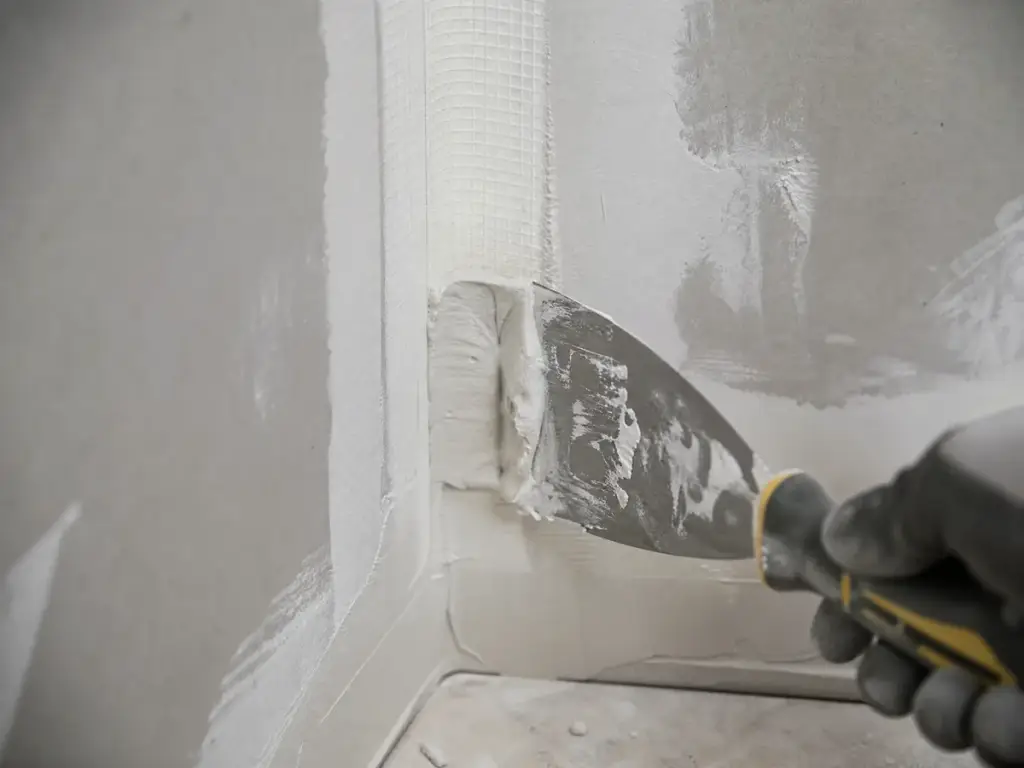
Finishing is coats, not one pass
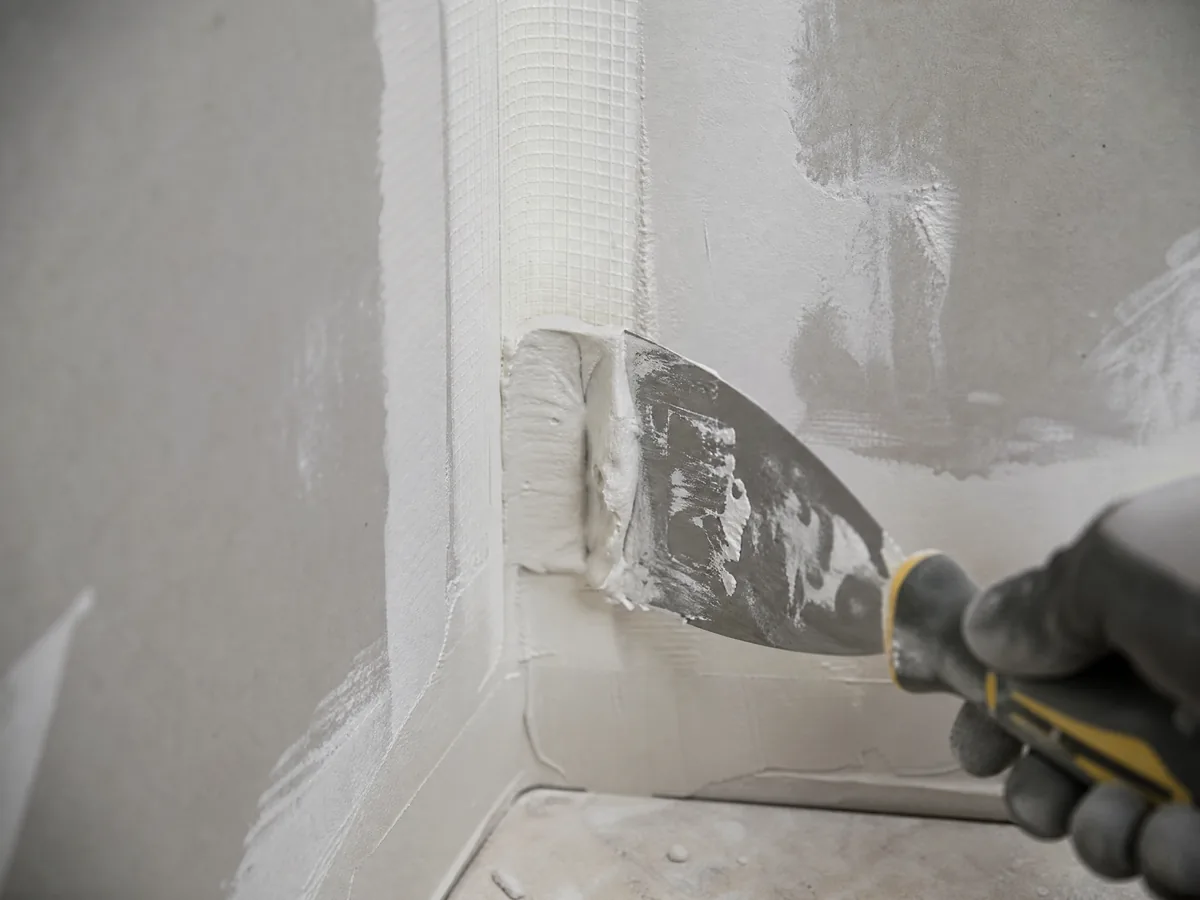
The first coat is bedding. Compound goes into the joint, tape is pressed into it, and the excess is pulled from behind the tape so nothing is trapped. Setting compound suits this coat: it hardens by chemical reaction rather than by drying out, shrinks less and grips hard. The second coat fills and runs wider. The third is a thin skim, wider again.
Tape comes in two kinds and they are not interchangeable. Paper is stronger, folds to a clean crease, and belongs in every inside corner and along the flat joints of a wall meant to look smooth. Mesh is quick over a patch but has little strength until setting compound goes over it. Outside corners take bead, fixed straight and built out in coats, because that edge takes every knock.
- Setting compound for bedding and for patches
- Paper tape in inside corners and on flat joints
- Mesh only under setting compound
- Each coat spread wider than the one beneath it
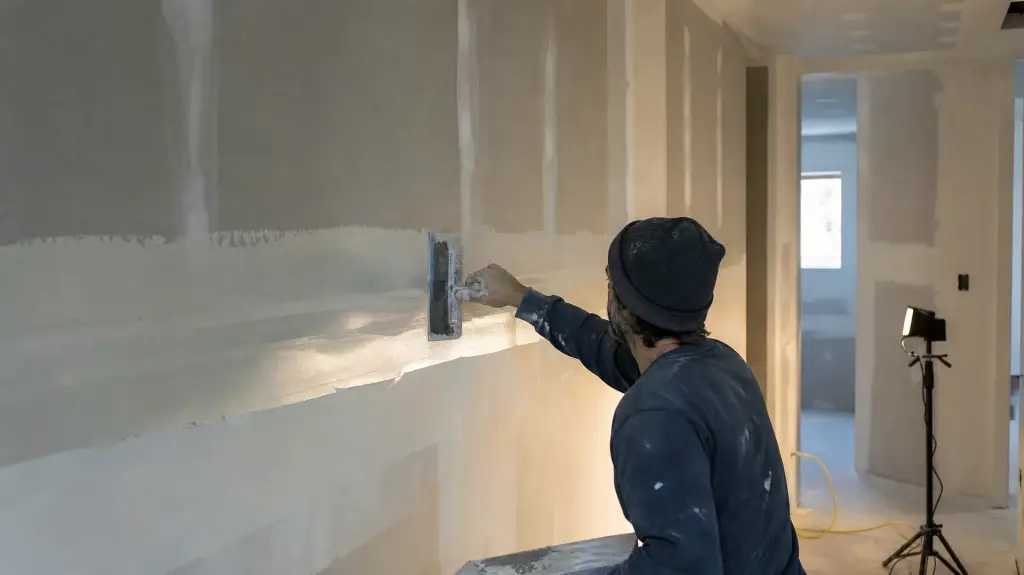
The problems that live in the finish
End joints are the hardest thing to hide in this trade. Two square cut edges meet with no recess between them, so compound has to sit above the face of the board and then be feathered far enough either side that your eye reads the wall as flat.
Humidity is the other quiet problem. A basement in July holds moisture in the compound, coats stay soft longer than they look, and anything sanded too early shrinks back and shows. Tape lifting in a corner or a band running down a wall can be reworked without touching the board.
- Tape lifting or bubbling along a corner
- A band of shadow where two sheets meet
- Ridges that appear only when a lamp is on
- A textured ceiling you want brought back to flat
How we do it
Seal the room
Contents out or wrapped, floors covered, openings sealed. Sanding makes a fine dust that reaches the whole house if nothing stops it.
Bed the tape
Fastener heads and torn paper are treated, bead goes on the corners, then tape is bedded into every joint in setting compound and left to harden.
Build the coats
A fill coat wider than the tape, then a skim wider again, feathered until you cannot feel the edge with your hand.
Dry, sand, prime
Each coat dries through before the next, and a cold damp room stretches that out. We sand with a light held flat to the wall, wet sanding where dust has to stay out of the house, then prime the surface.
What the work includes
A finish level agreed first
Settled before we start, based on the paint and the light in the room.
Bead on the outside corners
Set straight and plumb, then coated out so they stay sharp.
Paper tape in the corners
Folded and bedded, not filled with compound alone.
Fastener heads treated
Coated and recoated, because one missed head shows under a lamp.
Dust under control
Sealed doorways, and wet sanding where a dry sand would spread.
What affects the cost
The trade describes the result in levels. At the bottom a joint is taped and left, which is all a service room needs. In the middle, joints, corners and fastener heads are coated and sanded, which suits a room going under a textured or deeply coloured paint. At the top sits a skim across the whole surface rather than just the seams, which is what a long wall under a flat paint with a window at one end needs, and it turns the whole wall into the work.
After that it is the shape of the room. Corners, bulkheads and openings take hand work and none can be run with a long knife, so a room chopped into small faces takes longer than a big square one. End joints add coats, high ceilings add staging, and matching an existing texture is harder than matching a flat surface. A cool damp house also stretches the drying time between coats.
The trades either side of this one
Finishing sits between the board and the paint.
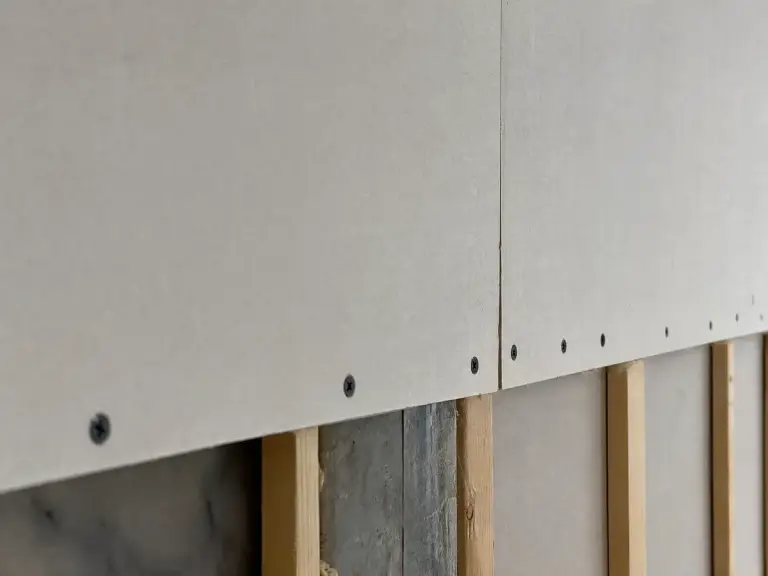
Drywall
Everything a taper can do is limited by how the sheets went up and how flat the framing was.
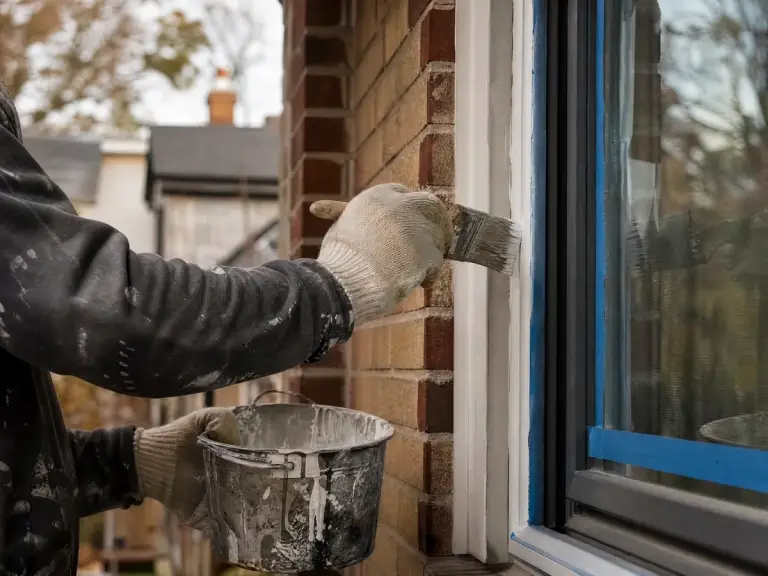
Painting
Paint is where finishing gets judged. The sheen decides how hard the light looks at your walls.
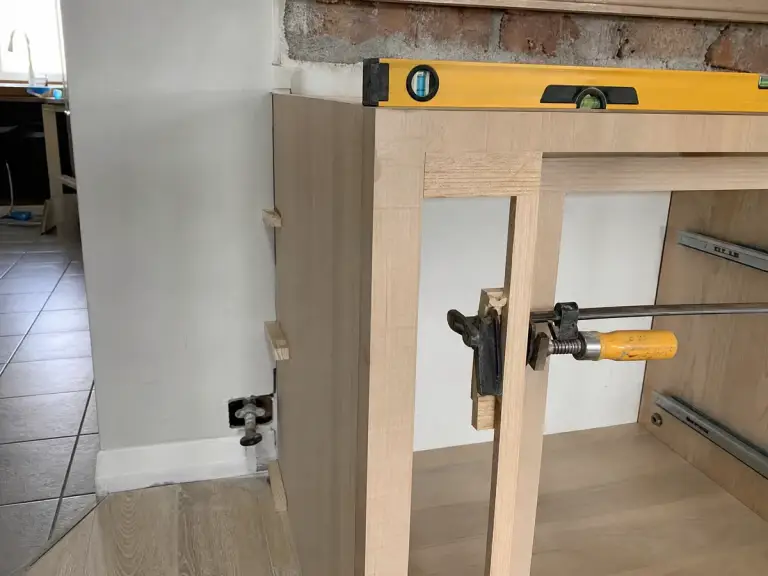
Kitchen renovations
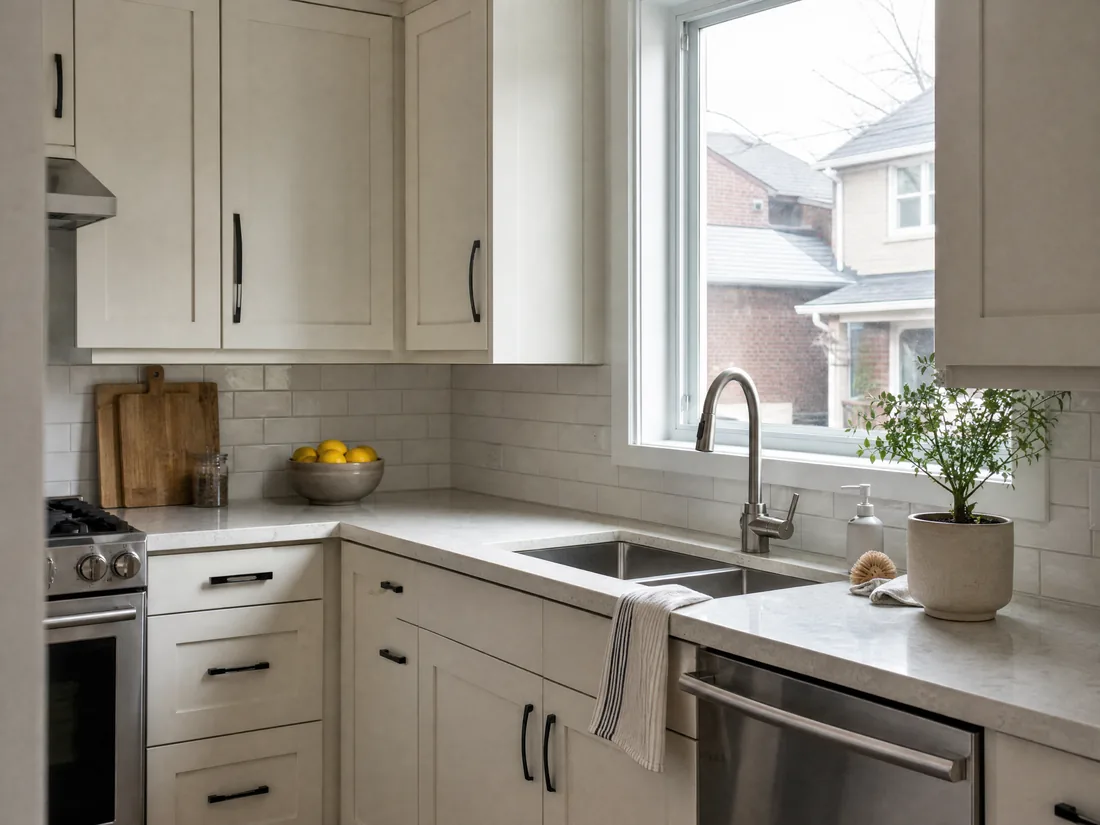
Kitchen walls end up under cabinets and hard downlighting, so square corners matter more here.
Recent renovation work
Taping and the other trades we run inside a house. Tap any photo to see it larger.
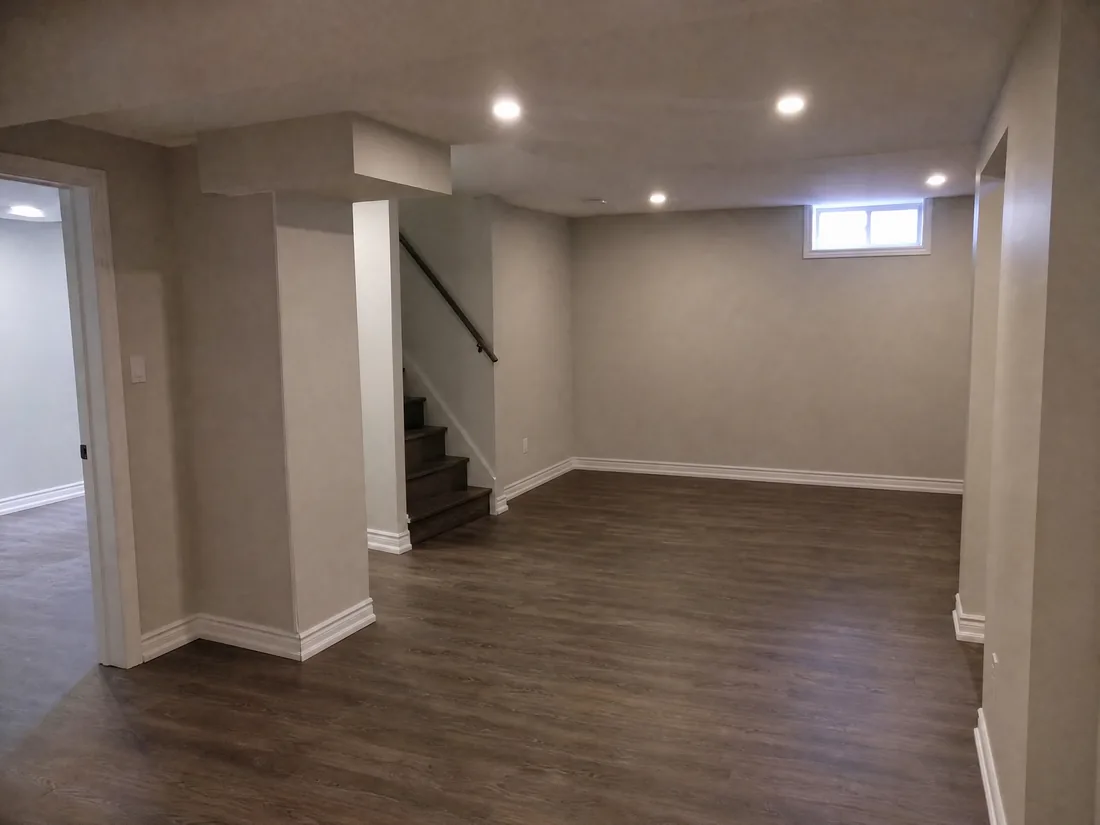
No photographs in this set yet.
Questions homeowners ask
Usually the joints were not spread wide enough, so the light catches the change in level at the edge of the compound. The other common cause is bare compound that was never primed, which takes colour differently and shows as dull bands.
Three coats is normal and each has to dry through before the next. A warm dry room with air moving gets there overnight, while a cool basement in wet weather takes longer. Forcing it with heat dries the surface and leaves the middle soft.
Only if the light asks for it. Big uninterrupted walls, low sheen paint and windows that throw light along the surface are what expose ordinary finishing. Tell us the paint you have chosen and we will tell you the level it needs.
Patches can be matched, though an exact match over a large area is difficult because the original was sprayed in one pass. Taking it off and finishing flat is cleaner but needs the whole ceiling skimmed. Older texture should be tested for asbestos first.
Get a free quote for taping and finishing
Tell us the size of the room, whether the board is up, and what paint is going on.
Talk to us
Tell us the address, what the problem is and when you would like the work done, and we will come back to you with a written quote. If it is easier to talk it through, the phone is the fastest route.
A wall is judged in the light, not up close
Ask what finish level your room needs before you buy paint.