


Interior and exterior painting
Most of a paint job happens before the first coat. Filling, caulking, sanding, cleaning and priming decide how the colour looks in five winters.
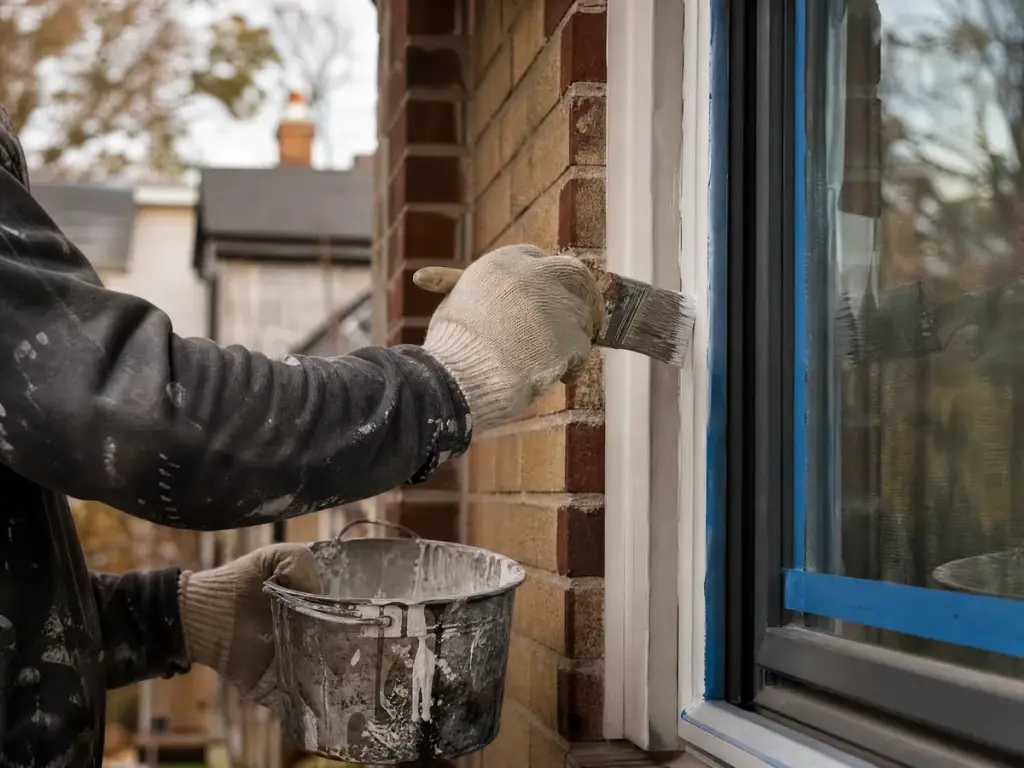
Preparation is the job, colour is the last hour
Holes and dents are filled and sanded flush, and the gaps where trim meets wall or baseboard meets floor are caulked, because a hairline shadow along a door frame is what your eye lands on first. Kitchen walls are degreased as well, since cooking film sits on everything above a stove.
Old trim in a Toronto house is often oil based. It has to be scuffed until it is dull to the touch, with a bonding primer over it before anything water based arrives, or the new coat peels off a season later. Patches get spot primed, and stains from water, smoke or a cedar knot need a sealing primer.
Then the coats go on. Edges are cut in by brush and the field is rolled while that cut is still wet, so the two blend. Roller nap is matched to the surface: short for smooth drywall, longer for textured ceilings, siding and masonry.
- Filling, sanding and caulking before any colour
- Degreasing in kitchens
- Deglossing and bonding primer over old oil based trim
- Sealing primer over water stains and knots
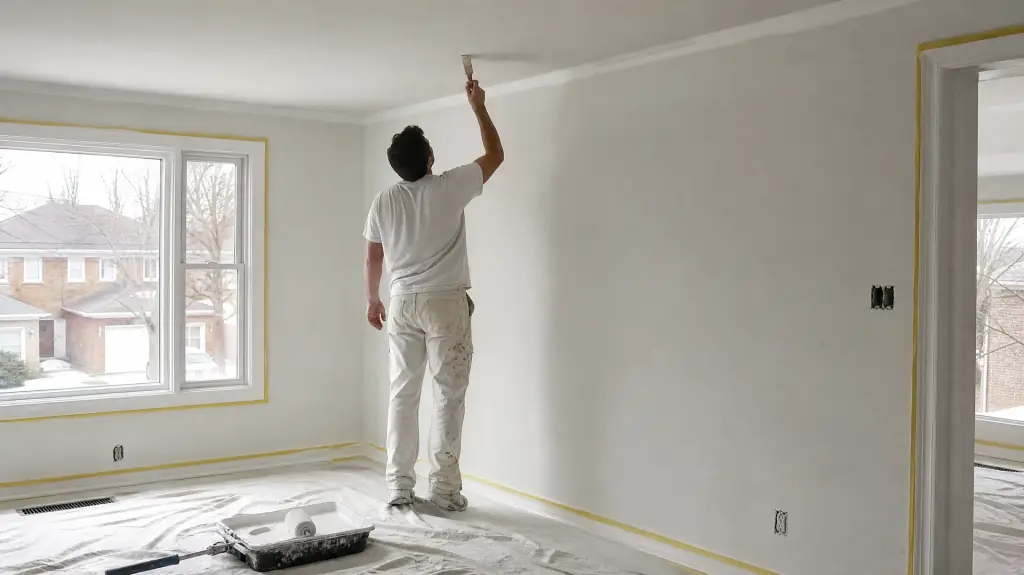
What the surface is telling you
Exterior coatings here live through freeze and thaw, road salt off the street and a summer of sun on the south and west faces. Paint that has begun to chalk, leaving powder on your hand, has lost its binder. Peeling back to bare wood means moisture is behind the film, and that wood has to be primed as soon as it is dry.
Inside, sheen matters as much as colour. Flat belongs on ceilings and on walls where you want imperfections to disappear. A washable finish belongs anywhere touched or damp: hallways, stairwells, bathrooms and kitchens. Trim and doors take something harder still.
- Chalky residue on your hand from exterior paint
- Peeling or bare wood on siding and trim
- Caulk lines split open around windows
- Marks that no longer wash off a wall
How we do it
Walk the surfaces with you
We note what is sound and what is failing, and write the scope down. Colour, sheen and where one finish stops are agreed before anything is ordered.
Cover and mask
Floors, furniture, fixtures and hardware get covered or taken off, and outside that extends to walkways and planting.
Prepare and prime
Scraping, sanding, filling and washing come first. Bare wood, bare masonry, patches and glossy old coatings all get primed rather than painted over.
Cut, coat and clean up
Edges by hand, the field rolled or sprayed to suit the surface, tape off before the film can tear. We walk the work with you in daylight.
What the work includes
Surfaces made ready
Filling, sanding, caulking and cleaning are part of the job.
The right primer
Bonding, sealing or masonry primer chosen for what is underneath.
Sheens chosen room by room
Flat where it should hide, washable where hands and steam land.
Your house protected
Floors, furniture, fixtures and planting covered before a tin is opened.
Exterior detail
Bare wood primed the day it is exposed, joints caulked before the finish coat.
What affects the cost
Inside, the drivers are preparation and access. Walls needing filling throughout, trim to be deglossed and primed, and stains that need sealing all add hours before a finish coat is possible. A big colour change means more coats, and wall paper that has to come off is usually the largest unknown in an interior quote.
Outside, the substrate decides the work. Scraping back failing paint, priming bare wood and replacing rotten sections takes far longer than recoating something sound, and anything needing ladders is slower than work you reach from the ground. Painted brick is close to permanent, because coatings are very difficult to remove and the house then has to be repainted for good. Painted brick also wants a breathable masonry coating, not a film that traps moisture and pushes the face off in a freeze.
Season decides the schedule outside, because the dependable window in Toronto runs from late spring to early autumn.
Related work
Paint sits on top of other trades and reports on all of them.
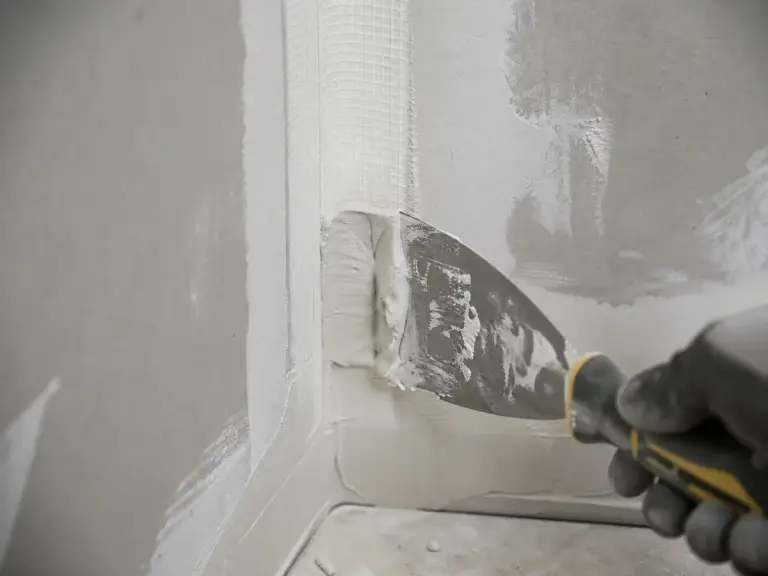
Taping and finishing
Paint cannot correct a finish. The sheen you want tells you how well the surface underneath has to be finished.
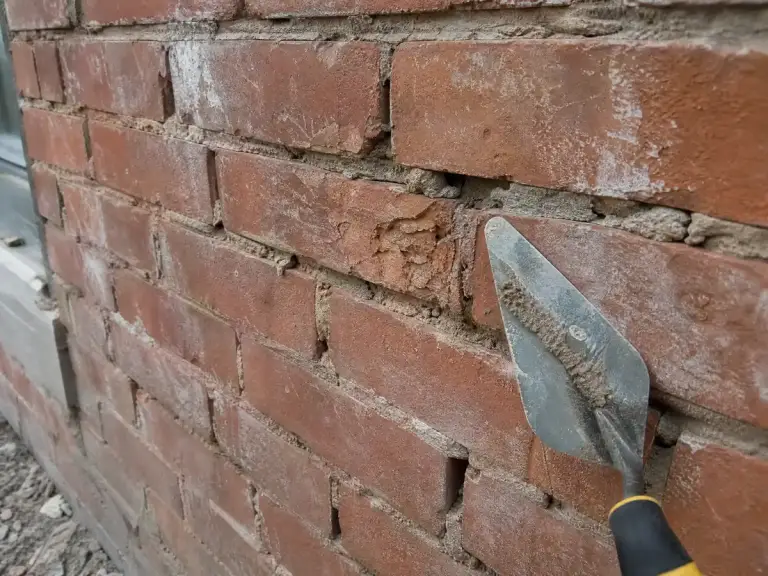
Brick and masonry
Before anyone talks about painting brick, the masonry should be sound. Repointing comes first.
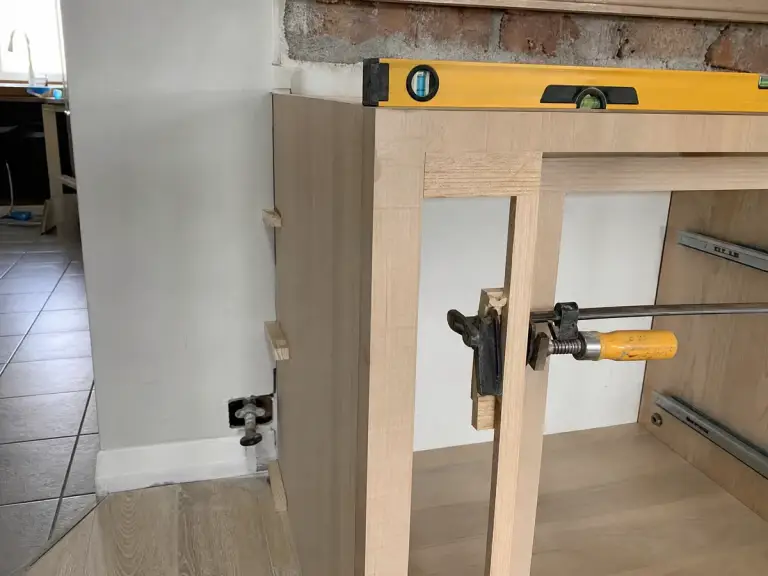
Kitchen renovations
Kitchen walls get painted around cabinets, and the finish has to survive steam and daily wiping.
Recent renovation work
Painting and the other trades we run inside a house. Tap any photo to see it larger.
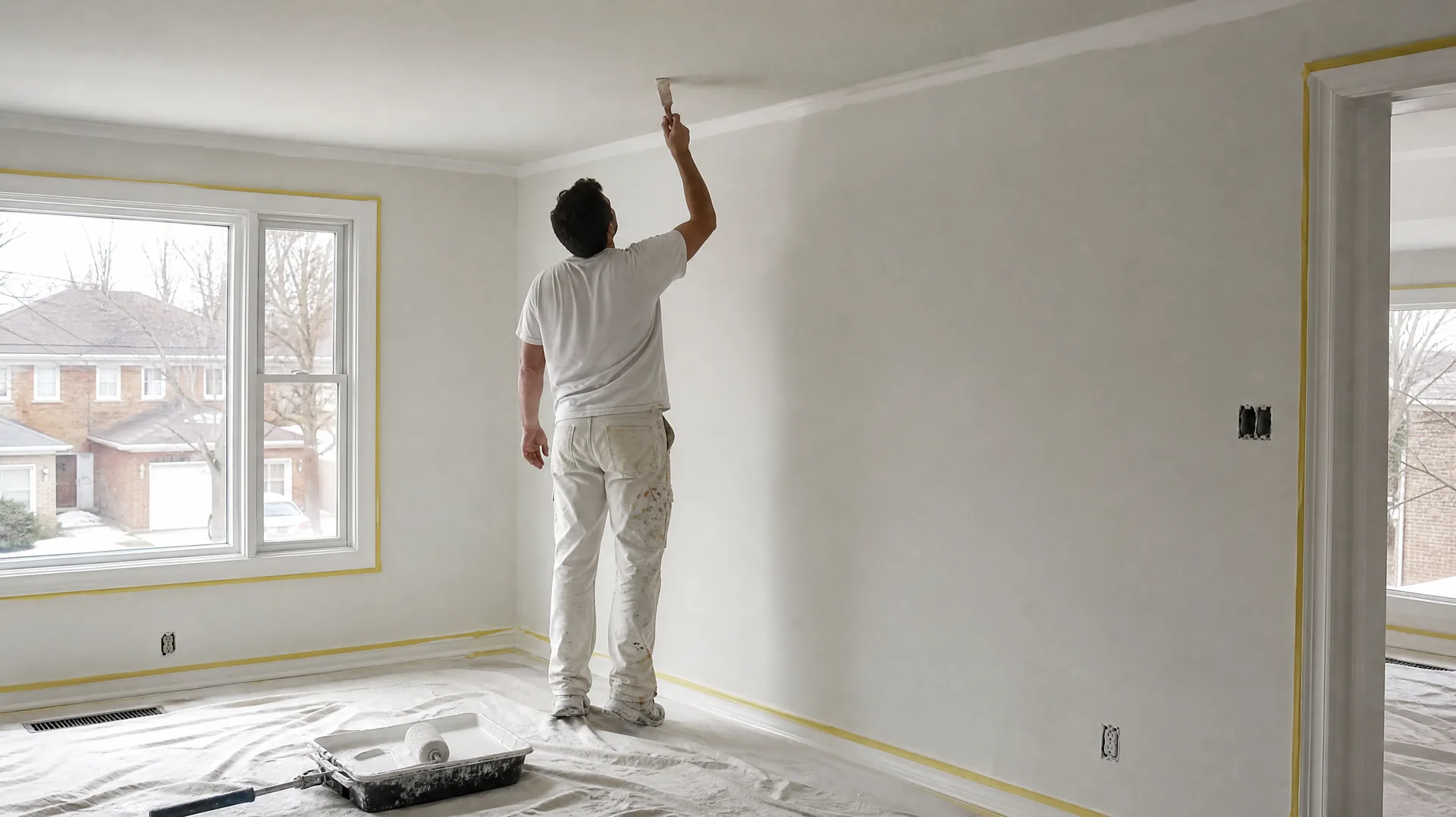
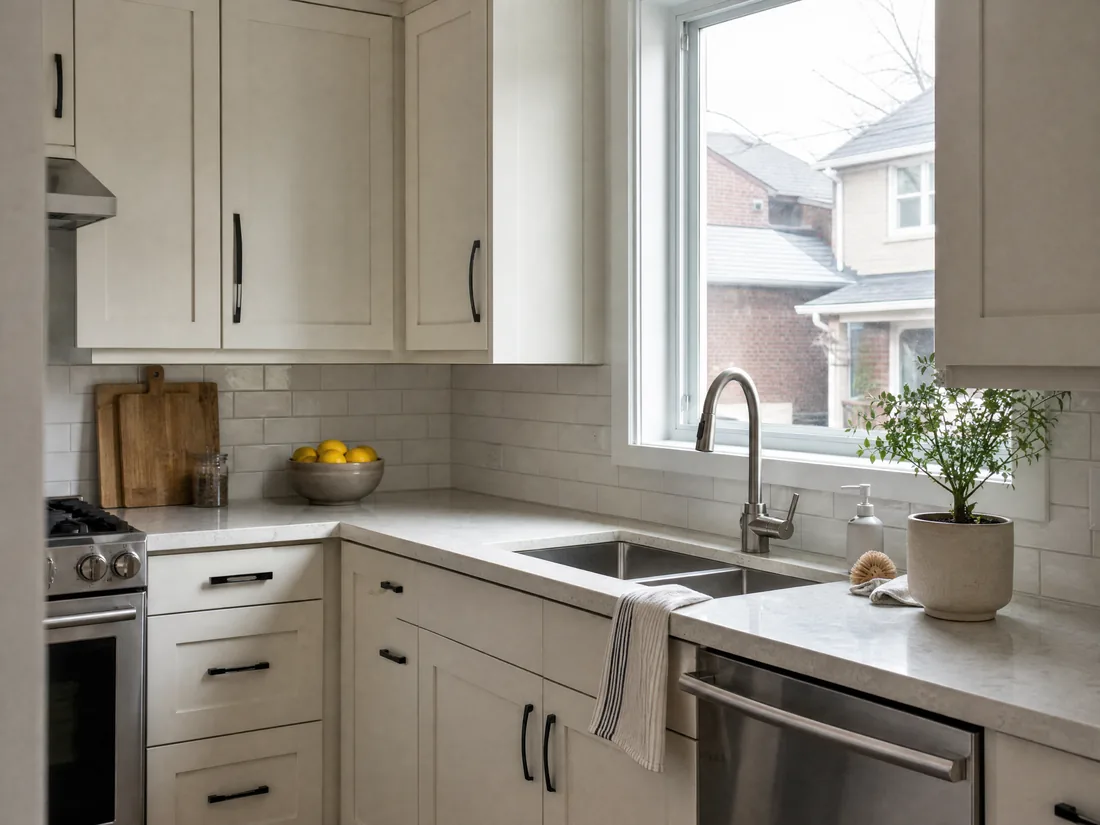
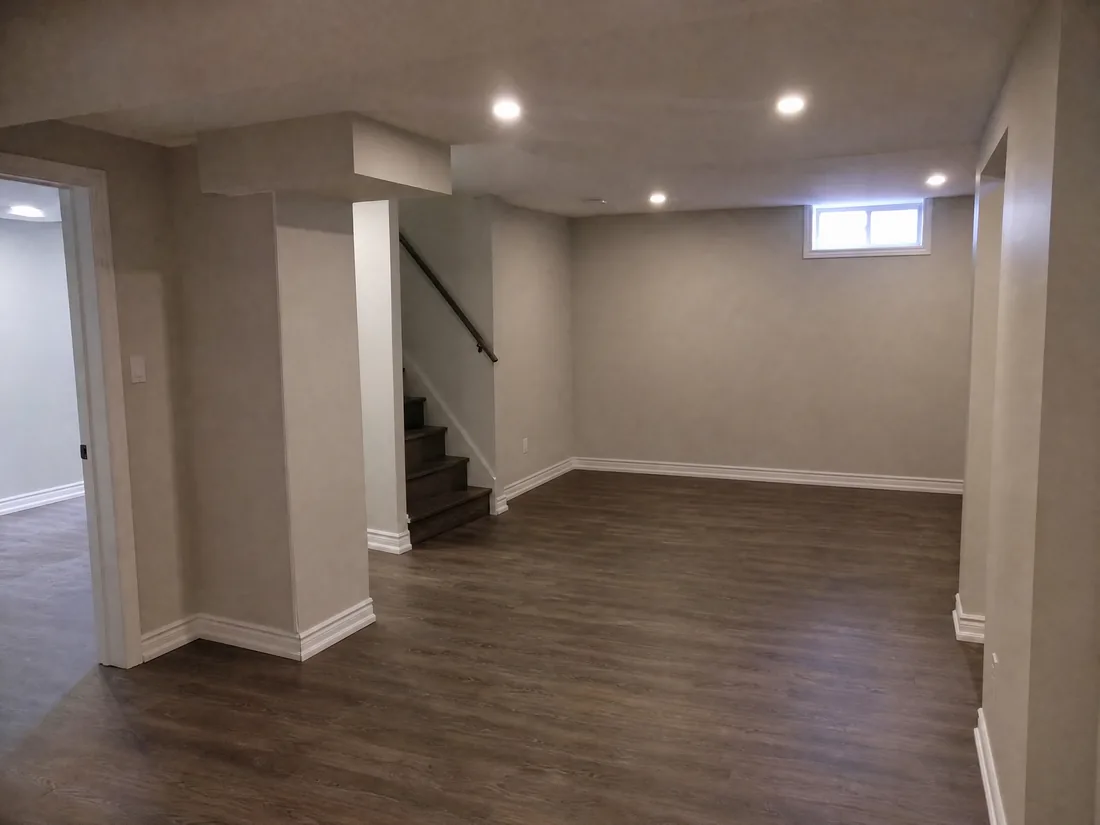
No photographs in this set yet.
Questions homeowners ask
Light is doing it. A north facing room takes cool daylight and pushes colours grey, a west facing room turns warm late in the day, and bulbs shift everything again after dark. A shinier sheen reflects more light and reads stronger, so sample on two walls first.
Treat it as permanent. Coatings bond into the face of the brick and stripping them later is damaging and rarely complete, so the house is committed to being repainted. If you go ahead, the brick has to be sound and dry first.
Late spring through early autumn is dependable. Coatings need the surface itself above the minimum temperature, not just the air, and time to form a film before evening dew. A coat that never cured will let go early.
Two finish coats over a prepared and primed surface is the normal answer. More may be needed going much lighter than what is there, or on a patched wall that drank the first coat unevenly.
Get a free quote for painting
Tell us which rooms or elevations, what condition they are in, and whether the colours are decided.
Talk to us
Tell us the address, what the problem is and when you would like the work done, and we will come back to you with a written quote. If it is easier to talk it through, the phone is the fastest route.
Good paint on a bad surface is still a bad surface
Book a look and we will tell you what the preparation involves.